AI’s Turning Our Words Into a Global Smoothie, and I’m Kinda Dizzy
They’ll have to wrestle the slang from my jet-lagged, human mouth
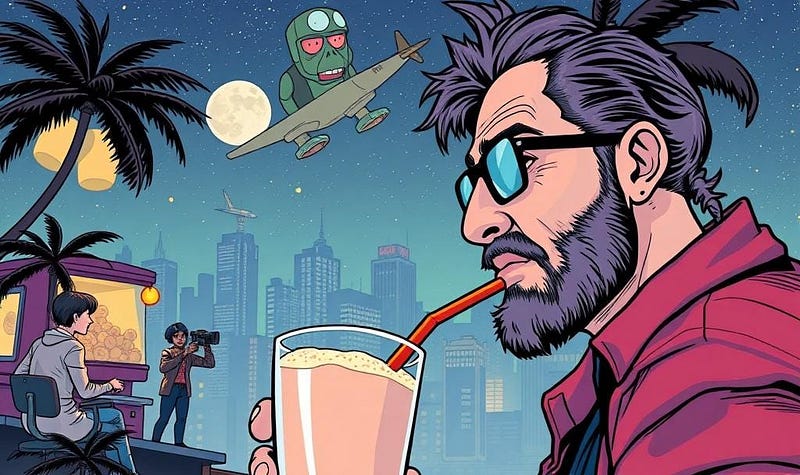
Image generated by Substack
Talkers, have you ever caught yourself using a phrase that doesn’t quite feel like you? I’m talking about the time I said “spill the tea” in a work email, and immediately cringed.
I used to think I was just picking up internet lingo, but when my coworker replied with a suspiciously TikTok-ish “slay,” I started wondering: is AI flattening our language into one big, borderless blob? Am I still me, or just a remix of global memes?
This must be what it’s like to be a DJ spinning everyone’s playlist at once.
It used to be regional slang that tripped me up, but now it’s the way AI’s blending how we talk across cultures, specifically how it’s making us sound like we’re all from the same algorithmically curated planet. I’m not even joking.
The “Worldwide Vibe”
Drop a term like “vibes” or “bet” in a casual chat these days, and nobody blinks, whether you’re in New York, Nairobi, or Hanoi. But try explaining why you’re “yeeting” something, and you’ll get a mix of nods and blank stares.
“AI slang overload!” “Gen Z bot vibes!” “Another algo-lingo mashup!”
Before you write this off as me doomscrolling X again, this topic’s already popped up from group chats to glossy mags:
Is AI Homogenizing Global Slang?
Posts on social media suggest that AI-driven platforms are spreading slang across borders, creating a universal but diluted linguistic culture…
The weirdest part? People grumbling about “AI slang” don’t seem to clock that they’re slinging the same terms. They’ll roll their eyes at “rizz,” casually drop “GOAT” like it’s been in the dictionary forever.
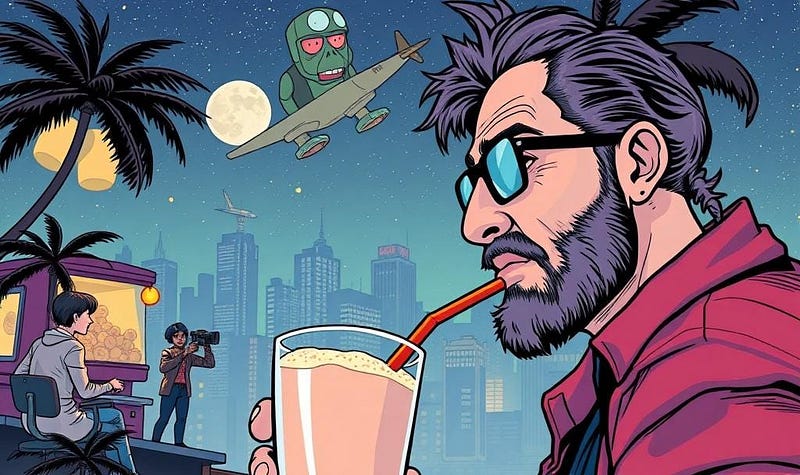
It’s like we’ve all drunk the same linguistic smoothie, and AI’s the blender.
But Wait, There’s More…
It’s not just slang getting pulped. Entire ways of speaking are being smushed together, thanks to AI’s knack for cross-pollinating language.
Sure, “slay” and “no cap” started in specific communities, but now they’re everywhere, from K-pop fan forums to corporate Slack channels. AI-powered translation tools, content algorithms, and chatbots are spitting these terms into every corner of the globe, often stripping them of their original flavor.
Take “tea.” It used to mean juicy gossip in certain circles. Now it’s just… drama, news, anything mildly interesting? I saw a Vietnamese influencer use “trà nóng” (hot tea) to describe a tech product launch. Context, gone. AI doesn’t care, it just amplifies what’s trending.
And don’t get me started on emojis. A “raising hands emoji” used to feel distinctly American, like a high-five. Now it’s universal, slapped onto posts from Tokyo to São Paulo. AI’s recommendation engines love emojis because they’re quick and clickable, so they get pushed everywhere.
Some folks say this globalized lingo erases cultural nuance, but I’ll holler this until I’m hoarse: it’s also about connection. Not everyone’s got time to learn the history of “rizz” before using it. For global audiences, especially younger ones, a shared slang makes the internet feel like one big group chat. And marketers, they’re obsessed with “vibes” because it sells.
Local Flavor, Must Be AI!
Here’s the real head-spinner. I was reading a subreddit’s rules for posting, and they straight-up banned “overly trendy slang” in comments. Their logic, terms like “slay” or “bet” sound like they’ve been run through an AI globalizer.”
You mean… popular words? Since when did sounding current become a crime? If you’ve ever hung out with teens or scrolled TikTok, you know slang spreads like wildfire, AI or no AI. Humans have been borrowing words across borders since we started trading spices.
Officially as trendy as a Zoomer, you’re probably an algorithm! Sorry to burst your bubble.
Now, you could argue that social media slang and traditional language aren’t the same, and you’d have a point. But I’d say they’re closer than ever. This post, like most of my rants, follows a simple beat:
- This is blowing my mind
- Here’s why it’s blowing my mind
- Can we chill with this already?
Sounds like a TikTok caption, maybe I am a bot. Hope they don’t revoke my Wi-Fi. Algorithms need memes too, right?
In Conclusion
Caught that, didn’t you?
What fries my brain about this whole deal is that it ignores one massive fact: AI doesn’t invent slang, it amplifies us.
Chatbots and algorithms don’t dream up “rizz” or “yeet.” They pull from the chaotic stew of human posts, videos, and comments. The reason this globalized slang feels so uncanny is that we fed AI the ingredients, our tweets, our Reels, our late-night Discord chats.
“Slay” spread because humans loved it, shared it, and let AI shove it into every algorithm. We say “vibes” because it’s snappy, AI pushes it because it’s already trending.
Human language will sometimes sound like AI because AI’s just holding up a mirror to our global mess. So, in a way, we’re all just vibing in the same smoothie blender.
Now, can we chill with this already?