The Founder’s Playbook: How to Go AI-Native
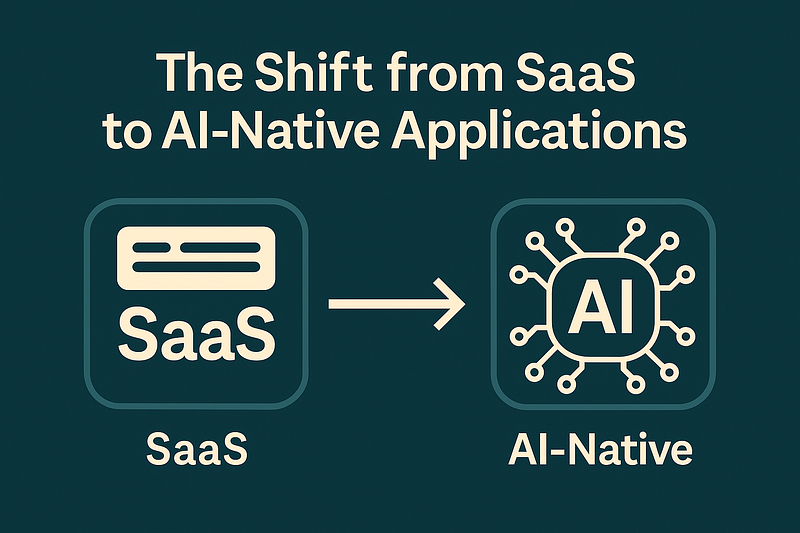
Image created by me
Over the last decade, SaaS has become the dominant model for software delivery.
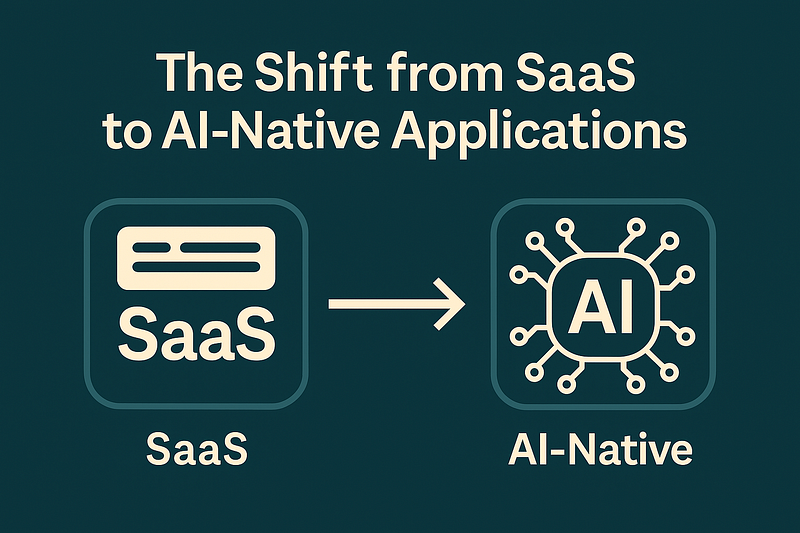
But now, we’re seeing the beginning of a major shift — from traditional SaaS platforms to AI-native applications. Not “AI-powered,” not “AI-integrated,” but designed from the ground up with AI as the core engine.
This isn’t a buzzword pivot. It’s a fundamental change in how software creates value.
As someone who’s helped build and scale SaaS platforms, from HRIS systems to payroll engines, I’ve seen firsthand how legacy SaaS is being challenged by leaner, smarter, AI-native alternatives.
If you’re a founder, product manager, or indie hacker, this article offers a clear framework to help you evolve or build with an AI-native mindset.
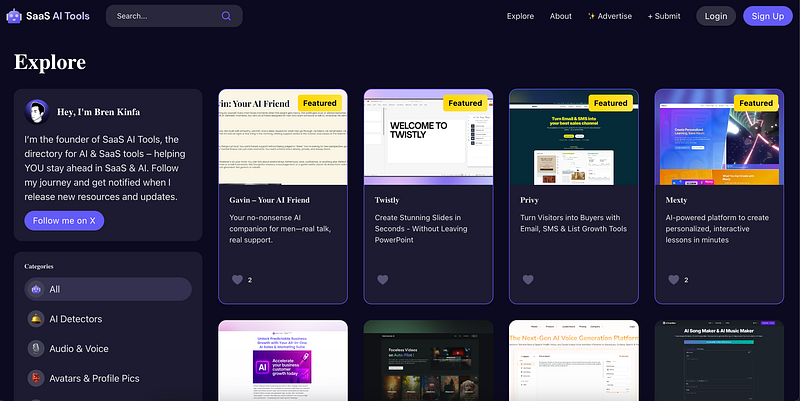
Image from https://saasaitools.com/
SaaS vs AI-Native: What’s the Difference?
To understand the shift, let’s look at how value is delivered in each model.
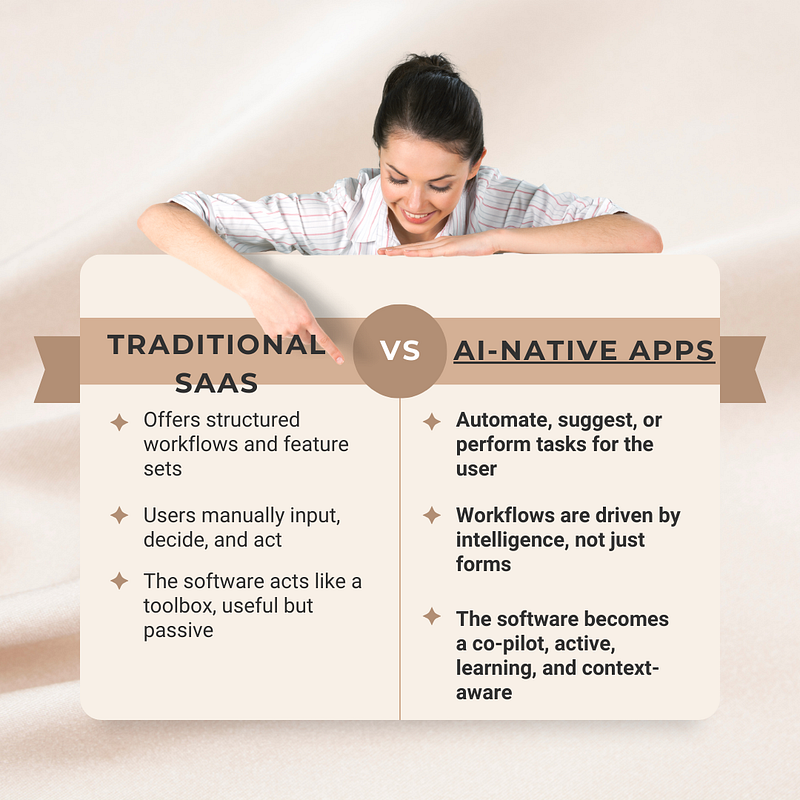
Image created by me
Here’s a real-world example.
In our Rails-based HR platform, generating performance review summaries used to take managers 30 minutes per employee. It involved copying data from feedback forms, cross-referencing KPIs, and writing up final notes. Now, we’re prototyping an AI workflow where the assistant:
- Synthesizes peer feedback
- Flags inconsistencies
- Drafts a summary ready for review in seconds
Same feature set. Different experience. This is what “native AI” looks like in practice.
A 3-Stage Framework to Transition From SaaS to AI-Native
Whether you’re evolving an existing product or starting something new, the transition can be mapped out in three stages:
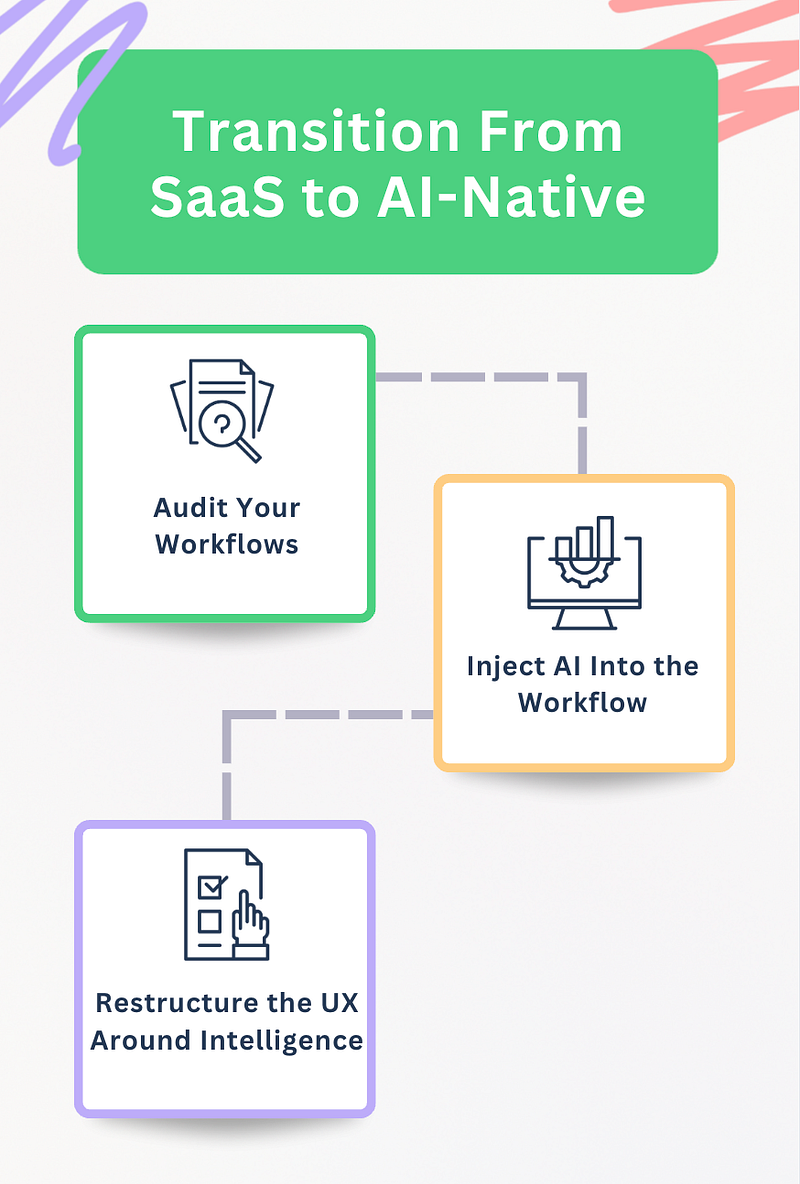
Image created by me
1. Audit Your Workflows
Every SaaS product has workflows — sequences of tasks users perform regularly. Start by mapping them:
- Where do users input a lot of data?
- Where do they wait for a response or perform repetitive logic?
- Where are decisions made based on patterns?
These are your entry points. The goal here is not to “AI everything,” but to identify painful, repetitive, or data-rich flows.

Photo by Kelly Sikkema on Unsplash
2. Inject AI Into the Workflow
Now that you’ve identified the friction points, prototype how AI can help. You can:
- Generate: pre-fill forms, create summaries, suggest content
- Predict: recommend next steps, flag anomalies, forecast outcomes
- Classify: categorize data, segment users, extract meaning
For example, in a recent Next.js + Rails project I worked on, we used OpenAI’s API to auto-generate onboarding checklists tailored to campaign and brand voice. What used to be a static form became a dynamic, personalized experience, with fewer clicks and higher completion rates.
Remember: don’t just add a chatbot on the side. Embed the AI where work is happening.
3. Restructure the UX Around Intelligence
This is where the real transformation happens.
AI-native UX:
- Removes steps, rather than adds prompts
- Makes the user feel supported, not replaced
- Builds trust with transparency and control
You may need to rethink your entire flow. For instance, if AI can summarize user behavior trends weekly, do you still need a 7-tab analytics dashboard?
AI-native design is less about dashboards, more about decision moments.
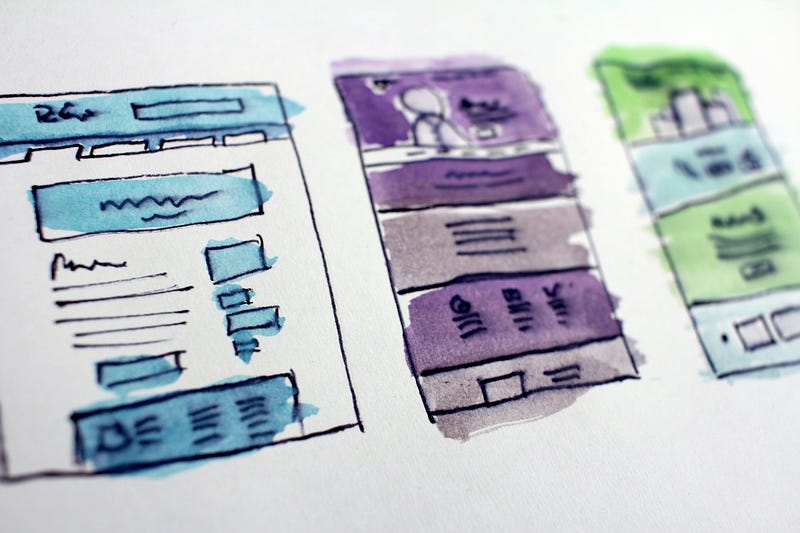
Photo by Hal Gatewood on Unsplash
Diagram: The Evolution Path
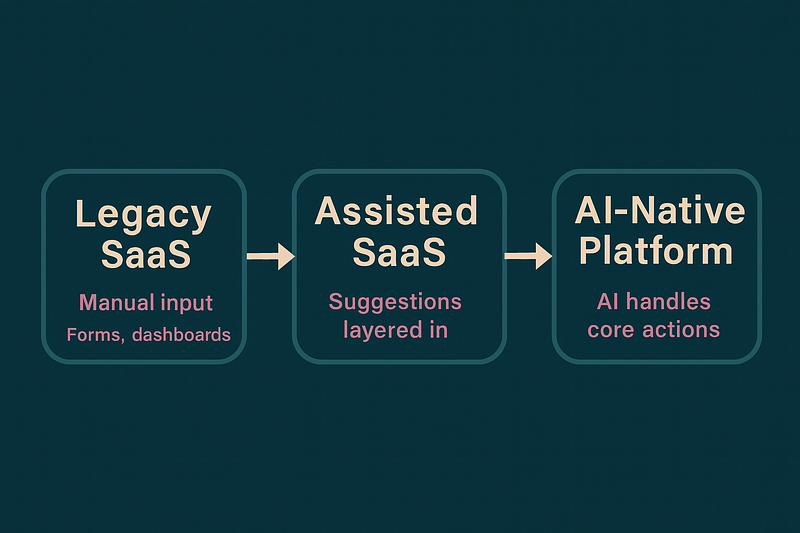
Real-world example:
- Tome redesigned slide creation with AI-driven storytelling, not templates.
- Harvey turned legal review from a writing task into a reviewing task.
- Linear quietly ships AI-native issue descriptions without user prompts, it just works.
The best AI-native apps don’t shout “AI.” They remove friction and increase leverage.

Photo by Annie Spratt on Unsplash
Why This Matters for Founders
If you’re building a SaaS product in 2025 and beyond, you’re not just competing on features.
You’re competing on workflow intelligence.
Founders who embrace AI-native thinking will:
- Deliver faster value
- Delight users with simplicity
- Create more defensible products
And if you already have a SaaS platform?
*Start small. Pick one workflow. Inject intelligence. Learn and repeat.*
This isn’t a revolution you watch. It’s one you join, workflow by workflow.
Photo by Austin Distel on Unsplash
Final Thoughts
The next breakout SaaS companies won’t look like the last generation. They’ll feel lighter, smarter, and more human.
Because they won’t just help you do your job, they’ll quietly do part of it for you.
If you’re exploring AI-native product ideas or modernizing your SaaS with Rails, Next.js, or OpenAI, I’d love to connect.
Your future product isn’t just software.
It’s software with a brain.