Your Friendly Guide to Becoming AI-Savvy, No Tech Skills Needed!
Have you felt overwhelmed by seemingly endless new AI (Artificial Intelligence) tools popping up every week? Do terms like “smart agent” or “personalized AI” sound way too technical?
In 2025, these technologies are quickly weaving themselves into our daily lives, organizing schedules, helping with emails, suggesting what to eat, or even recommending ways to improve our health. But here’s the thing:
You don’t need to be a tech person to benefit from these innovations.
This article is your roadmap to understanding, embracing, and getting the most from today’s AI revolution, especially if you don’t have a technical background.
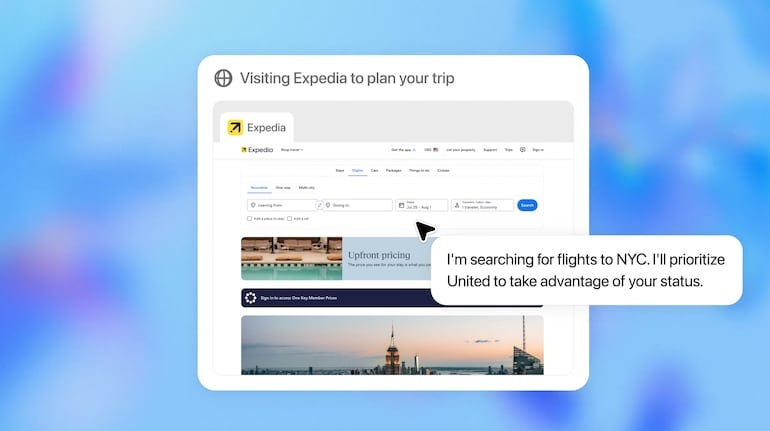
ChatGPT Agent
The Big Picture: What Are Personalized AI & Smart Agents?
Let’s start with the basics.
“Personalized AI” is any service or application that adapts its suggestions and actions to fit your unique habits, preferences, and needs.
Think of it as technology that “learns” from your daily routines and offers solutions tailor-made for you.

Personalized AI
Meanwhile, “smart agents” (sometimes called AI assistants) are digital helpers that can automate tasks, remind you of key events, answer questions, and even engage in casual conversation.
They’re getting so good that many people are already using them without realizing it, through virtual assistants like Google Assistant, health tracking apps, or even automated banking notifications.
Smart Agents
Why Does This Shift Matter?
For the first time, you can delegate both the boring and the busywork, things like setting reminders, filtering emails, tracking health metrics, or remembering birthdays, to AI.
But AI’s reach goes farther: smart agents may help you create shopping lists, recommend articles, spot fake news, or even suggest ways to manage stress.
Instead of needing coding skills or an IT department, regular people now have access to powerful tools that were once reserved for tech professionals.
The only challenge? Learning how to harness these tools wisely and safely.

The 9 Essential Skills Everyone Needs (No Tech Degree Required)
Whether you want to be more productive at work, get healthier, or just feel less frazzled each day, here are the top skills to focus on.
1. Digital Literacy and AI Awareness
- Understand the basics of how AI works, not as an engineer, but as a user.
- Explore which AI-powered services fit your daily life (calendar assistants, fitness trackers, virtual shopping guides).
- Stay aware as tools update and change with new features.
2. Prompt Engineering (How to Talk to AI)
- Practice phrasing requests clearly, like you would when giving instructions to a person.
- The better your questions or “prompts,” the more helpful and relevant the agent’s response. For example: “Remind me to take my vitamins daily after breakfast.”
3. AI Tool Literacy
- Identify the apps on your phone or computer that already use AI features (for example, email apps that auto-suggest replies).
- Learn how to adjust their privacy and customization settings.
4. Critical Thinking & Problem-Solving
- Don’t just accept what an AI tells you. Ask: Does this answer make sense? Is it fair?
- Question results, especially if something involves personal safety, money, or important decisions.
- Watch out for blind spots: AI is powerful, but can sometimes carry hidden biases or make simple mistakes.
5. Data Fluency (Not Data Science!)
- Get comfortable reading AI-generated summaries, dashboards, or health reports.
- Know what kind of personal data you’re sharing so you understand what the AI can “see” and why it makes certain recommendations.
6. Adaptability & Continuous Learning
- Stay curious! Try out new AI features as they become available.
- Accept that change is constant in the digital world, and be open to learning new tools and approaches over time.
7. Communication & Collaboration
- Know how to “work with” AI, especially when using it in groups (for example, delegating tasks with a smart calendar).
- Share useful tips about AI tools with friends, family, or coworkers.
- Be ready to explain an AI-driven insight or decision in everyday language.
8. Emotional Intelligence and Ethics
- Notice how you feel about digital interactions: Are you becoming too dependent on your AI agent? Do you feel isolated or supported?
- Set boundaries, AI can be a helpful friend, but not a replacement for a real human connection.
9. Responsible & Ethical AI Use
- Be careful with the personal data you provide.
- Think before you act: Would you want your data or an AI’s suggestions shared widely? Are you using the tool for good?

Making It Real: Scenarios from Daily Life
Here’s how these skills might play out in real-world situations:
Digital Literacy
You install a new planner app. It asks for access to your contacts, health data, and calendar. You check privacy options, allow only what’s needed, and set reminders with a few taps.
Prompt Engineering
Instead of “Remind me to exercise,” you say, “Remind me to do a 30-minute walk at 7 PM every weekday.”
The agent responds with accurate reminders and motivational tips.
Critical Thinking
An AI newsfeed highlights a shirt you “may love” at a discount.
You pause: Is it really a good deal, or just aggressive marketing algorithms?
You double-check elsewhere before buying.
Emotional Intelligence
After weeks of letting your AI handle most personal interactions — reminders, shopping, even birthday wishes, you notice feeling disconnected. You adjust your settings to handle some things manually and make a few calls to friends.
Responsible Use
Your finance assistant wants to connect to all your bank and investment accounts. You read the privacy policy, connect only what’s necessary, and set spending alerts to keep yourself on track rather than relying solely on AI recommendations.

Photo by Arlington Research on Unsplash
Final Thoughts: Embrace, Don’t Fear, But Use Wisel
The most remarkable thing about AI in 2025 isn’t just its power, but its new accessibility. Whether you’re juggling work, family, health, or just your sanity, personalized AI and smart agents can lighten the load.
But remember:
Technology is best when it empowers you, not when it quietly takes over your choices or privacy.
By growing these flexible, human-centered skills, you’ll not only survive the AI revolution, you’ll thrive in it. Stay curious, stay in control, and make friends with your digital assistant. The best is yet to come.
Hi, I’m Mikel. Hope you enjoyed this read.
You can *read more of my stories here*.