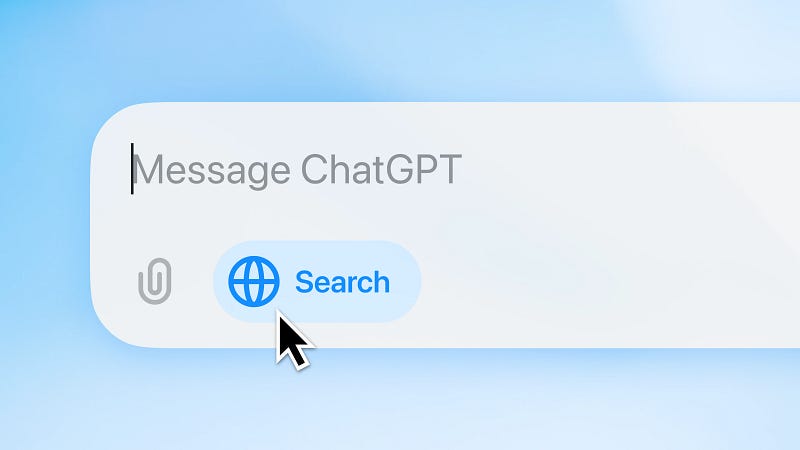
ChatGPT — The Fire That Opened the Modern AI Era
In late November 2022, as I was scrolling through posts on X, a short status line made me stop: “ChatGPT just launched. It answers like a human!” Curious, I went to OpenAI’s website and tried typing in a simple question: “Write a poem about the sky.” Within seconds, an emotional poem appeared, as if written by a real poet. As an AI researcher and engineering manager, I found this moment not only an interesting experience, but also a milestone that changed the way we interact with technology.
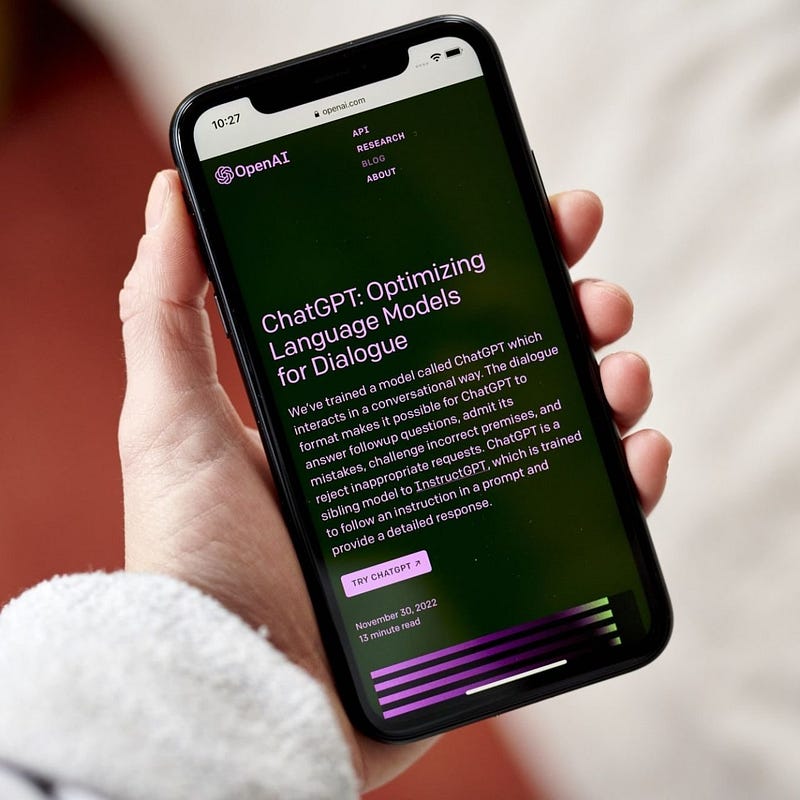
ChatGPT, launched on November 30, 2022 by OpenAI, marked the beginning of the modern AI era, bringing artificial intelligence from the lab to millions of users around the world.
This article will tell the story of how ChatGPT came to be and its impact, explain why it became a turning point in the history of AI, and lay the groundwork for the next articles in the series.
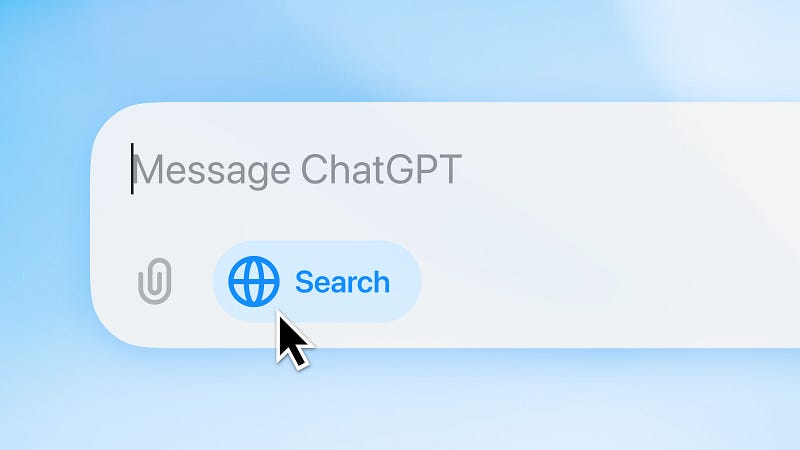
ChatGPT: From Idea to Global Phenomenon
ChatGPT, short for “Chat Generative Pre-trained Transformer,” is a large language model (LLM) developed by OpenAI based on the GPT-3.5 architecture.
Unlike previous models, ChatGPT is designed to chat directly with users through a simple interface that does not require technical knowledge. Just enter a question or request, from writing an email, solving a math problem, to creating code, ChatGPT can respond almost immediately.
According to OpenAI, within 5 days of its launch, ChatGPT attracted more than 1 million users. By January 2023, it had reached 100 million users, making it the fastest-growing app in history at the time (Source: Reuters, 2023).
This popularity stems from its natural conversational capabilities, free initial plan, and flexibility in handling a wide range of tasks, from writing marketing content to programming support. As an engineering manager, I have seen ChatGPT save my team time by automating tasks like generating reports or writing basic Python code.

Comparison with previous models
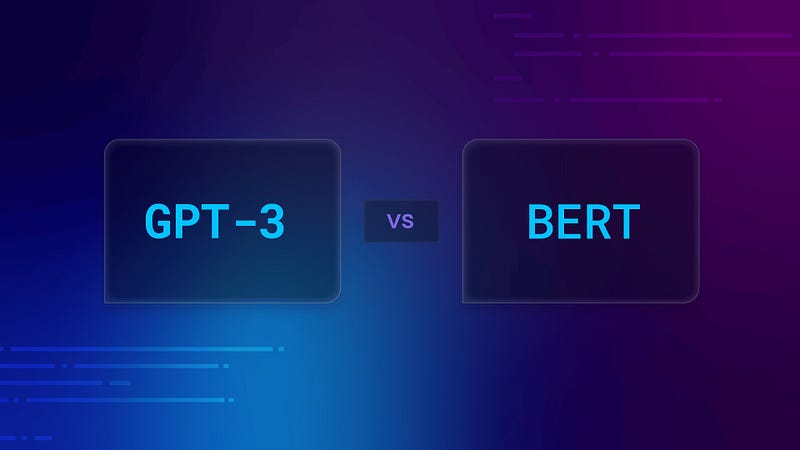
Before ChatGPT, models like Google’s BERT (2018) or OpenAI’s GPT-3 (2020) laid the foundation for modern AI. BERT is great at understanding context, which is used in Google search, but it can’t generate long-form content or natural conversation. GPT-3 is more powerful, with the ability to generate complex text, but it can only be used via an API, requiring programming skills.
ChatGPT overcomes these limitations with its friendly interface and “Reinforcement Learning from Human Feedback” (RLHF) technique, which improves the accuracy and friendliness of the feedback (Source: OpenAI Research, 2022). The result is a tool that anyone, from students to journalists to engineers, can use easily.
ChatGPT’s Impact: The Beginning of the AI Revolution
The birth of ChatGPT not only changed the way we work, but also started a technology race. Industries like marketing, education, and programming have begun to incorporate AI into their processes.
For example, marketers use ChatGPT to create ads, while teachers leverage it to create lessons. This success has prompted companies like Google, Meta, and Anthropic to develop competing models like Gemini, Llama, and Claude, a topic that will be explored in detail in *“Part 2: The explosion of AI models after ChatGPT”*.
ChatGPT also ushers in the democratization of AI. With its initial free plan, it allows individuals and small businesses to access cutting-edge technology, laying the groundwork for more affordable models, as discussed in *“Part 4: Pricing and the Democratization of AI”*. However, ChatGPT is not without its challenges. It sometimes produces inaccurate information or reflects biases from the training data. Ethical issues, such as the creation of fake content or the impact on labor, are also controversial.
As a researcher, I see ChatGPT as setting a new standard: AI must be easy to use, powerful, and relevant to real-world needs. But it is also a reminder that we need to develop and use AI responsibly.
Conclusion
ChatGPT, launched in November 2022, ushered in the modern AI era by putting cutting-edge technology in the hands of millions of people. It is more than just a language model, it is the spark that ignited the AI revolution, spurred competition, and changed the way we live and work.
In *“Part 2: The explosion of AI models after ChatGPT”*, we will explore how models like Gemini, Llama, and Grok continue this legacy, shaping the future of artificial intelligence.